| Natural Wonders |
|
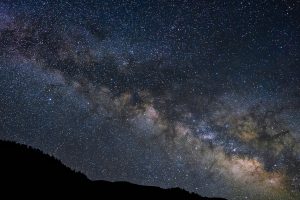
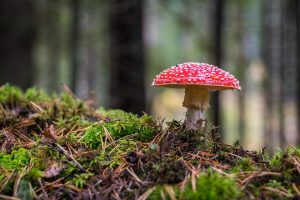
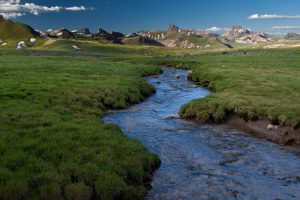
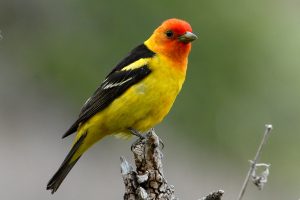
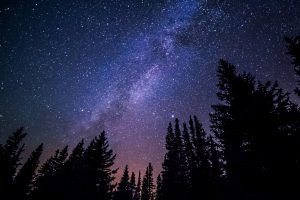
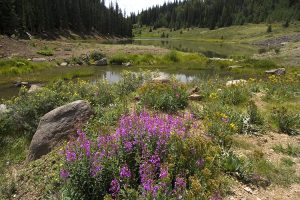
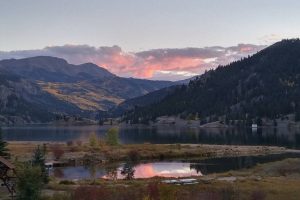
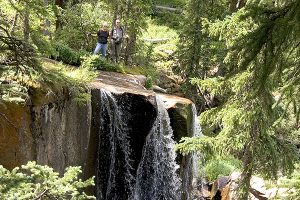
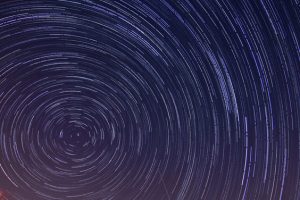
Waterfalls Of all the natural elements, it can be argued that water is the most awe-inspiring. The Lake City area is home to a number of spectacular waterfalls that exhibit power and beauty. North Clear Creek Falls is just off the Silver Thread Scenic Byway, hidden just beyond the road. A short drive to the parking area lets visitors walk to the falls to get a striking view of the most photographed waterfall in Colorado. Whitmore Falls is another thrilling waterfall, one that is just off of Engineer Pass Road near Capitol City. The observation point is a short hike off the road, but is well worth it for a sensational photo opportunity. Nellie Creek Falls is a thrilling two stage waterfall about a half mile up Nellie Creek Road which is four wheel drive only. The road can be a bit rough but the view of the falls is worth the trek. Horseshow Falls on the Engineer Pass road is a wide, beautiful cascade of water. The Alpine Loop offers smaller unnamed waterfalls, many along the road, that enhance the beauty of the drive. Edible Arrangements Hinsdale County offers the perfect climate and soil for many kinds of edible mushrooms, including boletus, inky caps and scaly urchins. Mushrooms are usually in their prime in August, although their growth does depend on the year’s rainfall. Some trails that may produce a hearty mushroom population include Cataract Gulch, Williams Creek and Alpine Gulch. Be sure to verify that the mushrooms collected are not poisonous. It is recommended that while picking mushrooms, each find should be wrapped individually in case a poisonous mushroom was collected by mistake. Other edible parts of the scenery include wild raspberries and choke cherries. Wild strawberries can be enjoyed by those lucky enough to spot them. Slumgullion Earthflow The landscape around Lake City is literally changing in front of your eyes. About 700 years ago, Mesa Seco collapsed into the valley and created the colorful four mile Slumgullion slide, which began the damming of the Lake Fork of the Gunnison River and the formation of Lake San Cristobal. Around 400 years later, a second six mile Earthflow began and continues today with a yearly flow of three to 20 feet. The earthflow was named for its resemblance in color to a stew miners made, which consisted of any ingredient they had. The Slumgullion Earthflow can be viewed from the pull out on the Silver Thread Scenic Byway, just a few miles south of Lake City. The stunning view of the earthflow can also be enjoyed from the summit of Cannibal Plateau which requires access by hiking, ATVs or horses. Lake San Cristobal Formed by the Slumgullion Earthflow over 700 years ago, Lake San Cristobal is now the second largest natural lake in Colorado. It is a great recreation area for anglers, boaters, and families. There are public campgrounds around the lake as well as a public boat launch. The Red Mountain Day Use Area is located at the south end of the lake. Wupperman Campground is located on the east side, this county-owned public campground features 31 sites with excellent views of the lake. Wildlife and Birds A wide variety of wildlife and birds live in or migrate through the magnificent San Juans. Frequently seen are deer, which often wander throughout town, and elk herds that graze just north of Lake City in the winter. Rabbits and coyotes are known to live in and around the town limits and are often seen on the Silver Thread Scenic Byway. After an introduction to the area by the Colorado Division of Wildlife in the early 1990s, moose are now thriving occupants of the San Juans and Hinsdale County. These solitary creatures are known to take cover in willows and the brushy area on the south side of Lake San Cristobal and up at Deer Lakes. The lynx, a member of the cat family, was reintroduced to the area and is not often spotted around Lake City because they prefer dense spruce and fir forests. Other animals in the area include pikas, black bears, marmots, chipmunks and squirrels. For those who prefer to watch the winged species of our area, know that there are plenty of birds to observe. The most common birds in the Lake City area include stellar jays and chickadees that are seen year round. Seasonal residents include western tanagers, Cassin’s finch, American goldfinch, evening grosbeaks, black headed grosbeaks, and two common types of hummingbirds: broad tailed and rufous hummers. A wonderful spot in town for bird watching is Pete’s Lake, which has a walking trail. Warblers, other songbirds, and numerous waterfowl are known to spend time at Lake San Cristobal. Night Skies Lake City is well suited for great stargazing opportunities. On a clear night, one can marvel at the moon, planets, constellations, and other spectacular phenomena of our universe. Certainly, a good set of binoculars or telescope will enhance your “up close” viewing. However, one of the best astronomy activities in Lake City is absolutely free and requires nothing more than patience, the naked eye, and mostly clear sky conditions. The activity is watching for meteors. Although they last only seconds, meteors are always fun to watch as they streak across the sky. And, there are times a fireball (a very large meteor) may flash above. Here’s a list of meteor showers for 2011. Unfortunately, when there is a full moon, it lessens the chance of seeing meteors. Regardless, get out the lawn chairs, blankets, and hot chocolate and enjoy time out under the Lake City night sky! Meteor Shower Calendar Date Name of Meteor Shower Comments Jan 3 Quadrantids Great viewing because of new moon April 21 Lyrids Best viewing will be before midnight May 5 Eta Aquarids Once moon sets, good viewing for rest of nite July 29 Delta Aquarids Moon won’t be a factor Aug 13 Perseids Best meteor shower of year; unfortunately, a full moon will hamper viewing Oct 21 Orionids Should be good viewing before midnight Nov 17 Leonids Should be good viewing before midnight Dec 13 Geminids The Geminids can be one of the best to watch The best conditions for seeing meteors are in a dark place in the backyard, in the mountains at a campsite, or up at Windy Point overlook. Wildflowers A wave of beauty, reflected in the blossoms of wildflowers, slowly surges up the San Juans from the spring through the summer. The San Juan Mountains are home to over 150 species of wildflower, many of which can be found in high mountain meadows. These species include native columbine, Indian paintbrush, forget-me-nots, old man of the mountain, sneezeweed, larkspur, lupine, harebell, bluebells, and monkshood. The best place to see a spectacular show of wildflowers is American Basin, where the flowers are usually in full bloom by mid-July. For more information on American Basin, see page 15. Hikes with stunning fields of wildflowers include Wetterhorn Basin, Cataract Gulch, Cooper Creek, Grizzly Gulch and Big Blue. The Visitor Center has more information on wildflowers and specific hikes. |